
All that glitters in not gold
Know the cost of your buying cheap..Click to know more
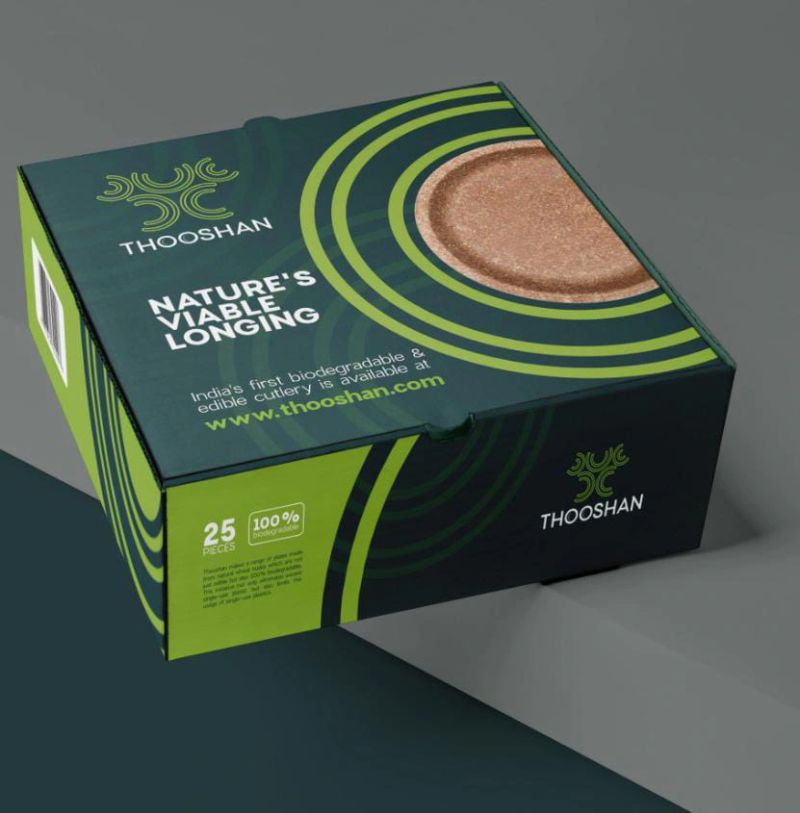
"The bitterness of poor quality remains long after the sweetness of low price is forgotten." Ever wonder why a Thooshan plate or straw costs a bit more than plastic or “compostable” alternatives? It’s simple: You’re not paying for disposables. You’re paying for durability, integrity, and a future that doesn’t end up in a landfill.
When you choose the “sweetness” of the lowest price, you inherit the bitterness of: - Microplastics in your food and soil - Chemical coatings that never truly break down - Trees cut for single-use plates - Farmers forced to burn crop waste because there’s no market for it When you choose Thooshan, those extra cents buy lasting value:
From Waste to Wonder
We transform discarded rice husks, rice powder, and starch into premium dinnerware. You’re paying for the tech that turns “trash” into treasure, not petroleum into pollution.
Edible & Biodegradable
Most “biodegradable” plastics need industrial facilities. Thooshan goes back to earth in days — or becomes animal feed. Toss it in your backyard and watch it become organic manure. Fair Pay for Farmers
Every Thooshan product creates an extra income stream for rural farmers and helps end toxic stubble burning. Your plate funds livelihoods. Zero Chemical Footprint
Mass-produced plastic leaches toxins when heated. Thooshan is chemical-free, microplastic-free, 100% food safe. Because what touches your food should never compromise your health. Plastic is cheap because the Earth pays the balance. Thooshan is priced honestly — reflecting fair labor, real engineering, and a planet left better than we found it. "We don’t inherit the Earth from our ancestors; we borrow it from our children." The sweetness of saving a few cents today can’t compare to the bitterness of a polluted tomorrow. Next time you host, make it a Thooshan moment. It feels better, tastes better, and lasts better.
How much of a priority is "zero-waste" for you when you're shopping for your home? For me, zero-waste isn't an all-or-nothing rule, it's a compass. I weigh durability, end-of-life, and hidden costs.
If I can choose something that serves its purpose beautifully and returns to the earth cleanly, that’s value I’ll pay for every time. What about you — what trade-offs do you make?


